


Photo Story
To Survive Is To Work
On a small island off the coast of Mozambique, work is survival. These portraits follow the people of Inhaca. A bread baker, tailors, and women who read the sea and the quiet determination that shapes their days.
Photographs by Darren Pellegrino
On Inhaca Island, off the southern coast of Mozambique, work is survival. It is also identity, pride, and the thread that connects people to the place they call home.
These portraits follow that thread. A migrant artisan baking bread before dawn, men bent over sewing machines in open air workshops, women wading into the sea at low tide to feed their families. Each frame is a life. Each life is a story of adaptation and determination.
Inhaca sits at the mouth of Maputo Bay, close enough to the mainland to feel its pull, far enough to exist on its own terms. The island moves at the pace of the tide. Work begins early and ends when the light goes.
The bread baker arrived from the north years ago. He set up his oven in a borrowed space and built a trade on something simple, flour, heat, and showing up every day. By the time the island wakes, his work is already done.
The tailors work in the open, machines humming under corrugated shade. Garments move through their hands with the kind of speed that only comes from years of the same motion. They don't look up much. There's no need to.
At low tide the women go out. They know the reef the way you know a room in the dark by feel, by memory, by years of returning. What they bring back is not just food. It is the daily proof that they can.
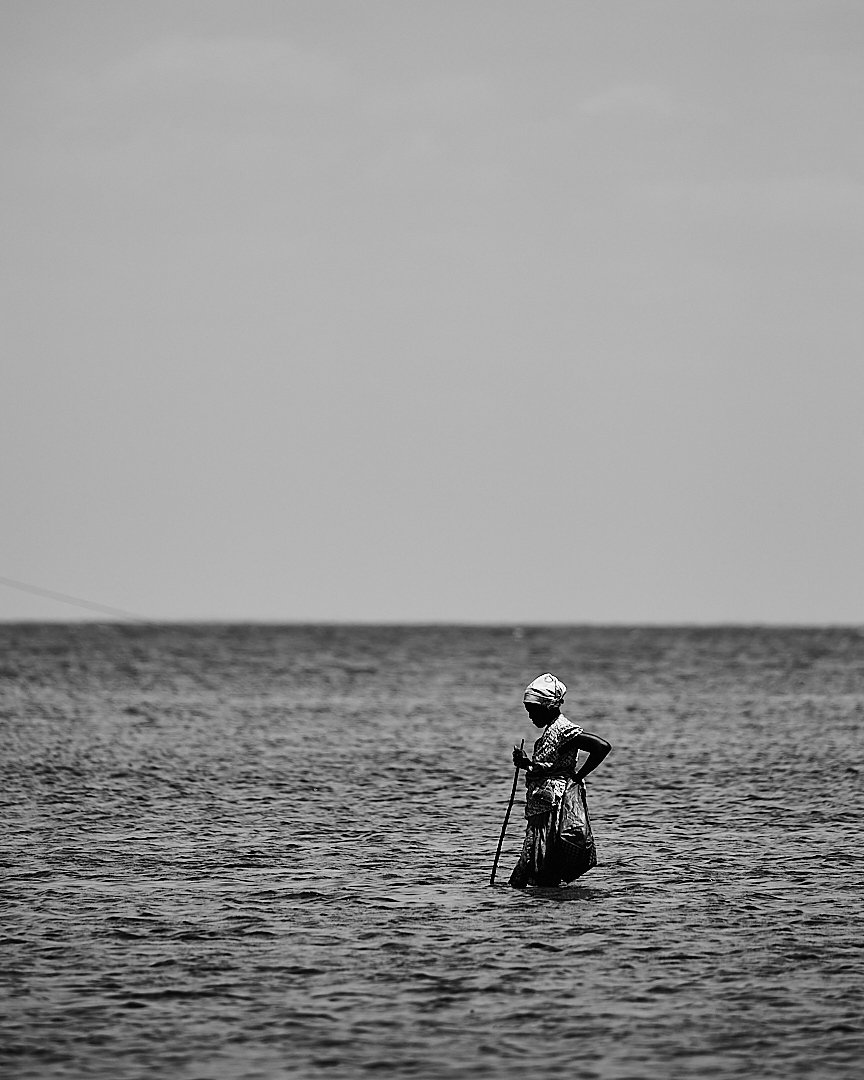
Every morning at low tide she moves into the shallows, reading the water the way only years of necessity can teach. What she pulls from the sea today will feed her family tonight.
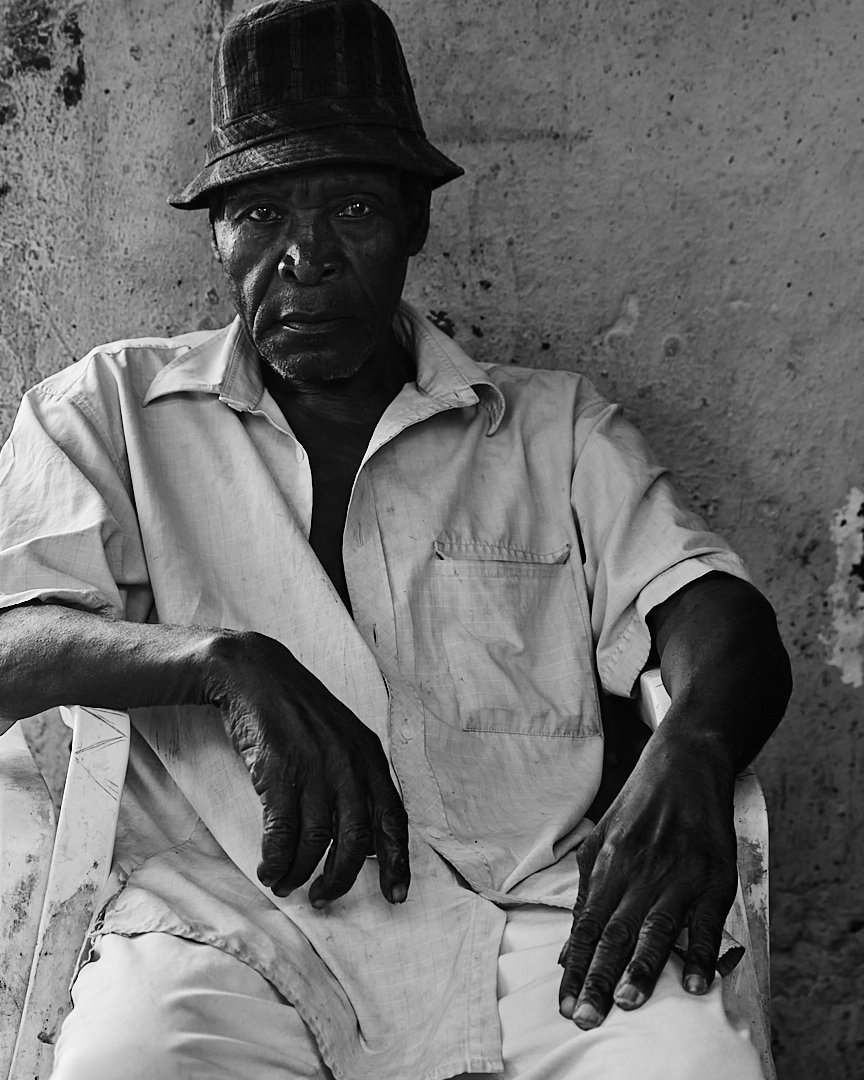
Between the rush of orders and the heat of the kitchen, he finds a quiet moment in the only chair that belongs to him. The back of the restaurant is his world, and for now, it is still.
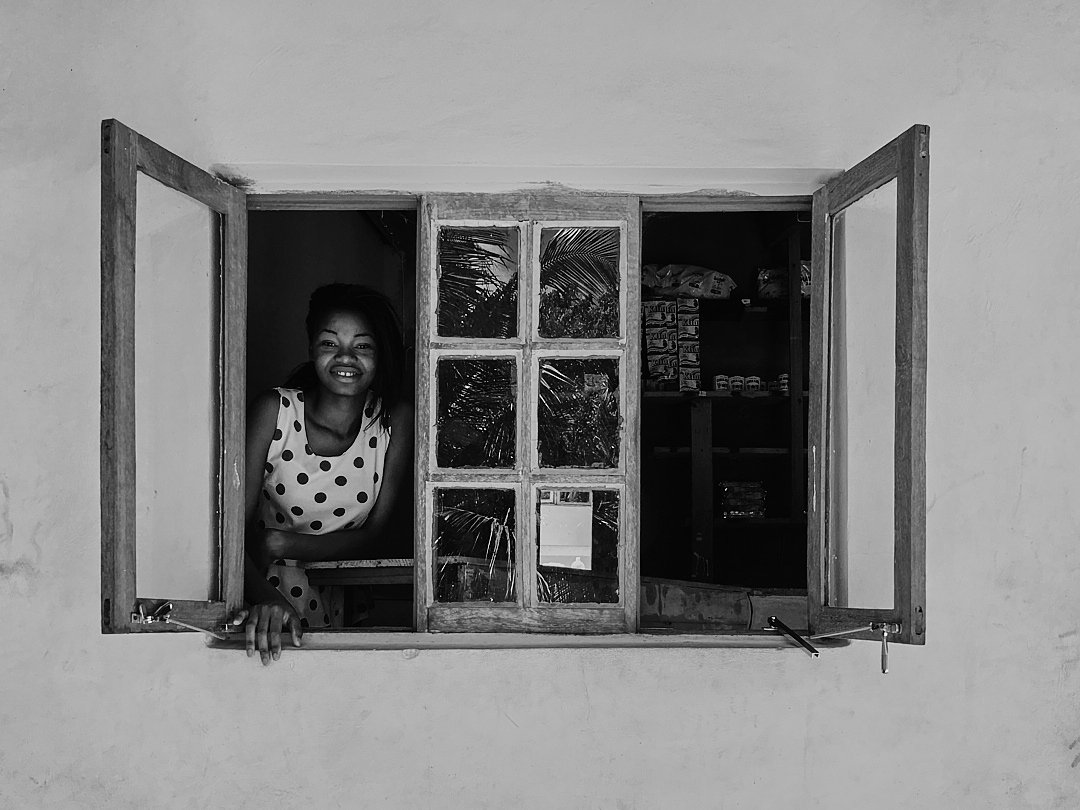
She stands at the window of the shop where she spends her days, watching the street outside with the patience of someone who has learned that waiting is also a kind of work.
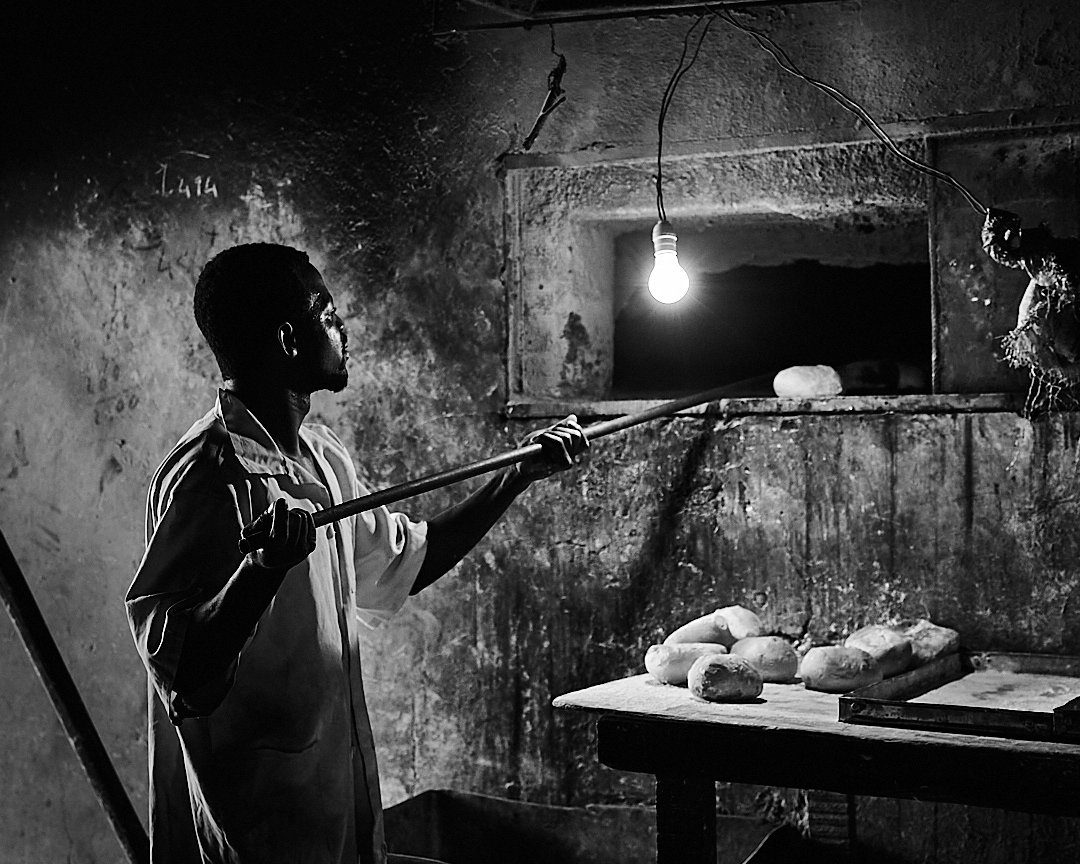
Dressed in white and soaked through from the heat of the oven, he pulls the morning bread without looking up. The bakery is old and small and by the time the island is awake his work is already done.
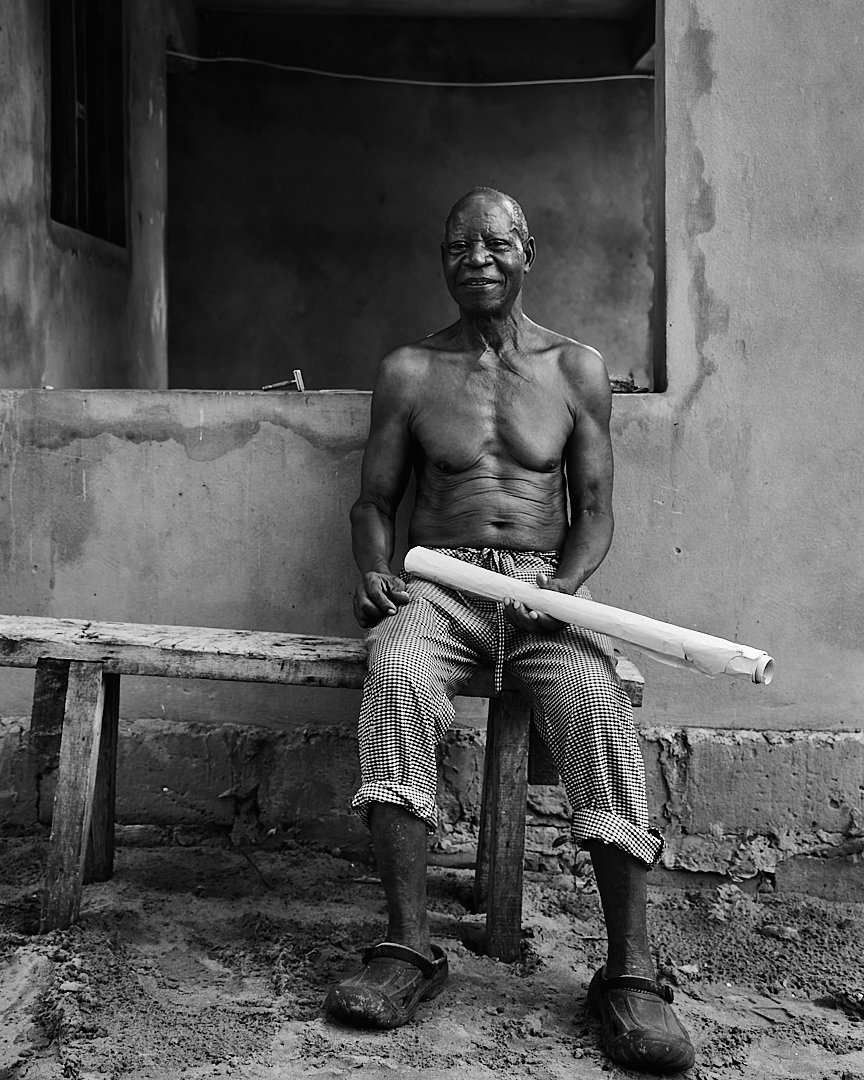
From his bench outside the house where he has lived and worked for decades, he holds the island in his hands drawn line by line from memory, sold to strangers who will never know it the way he does.
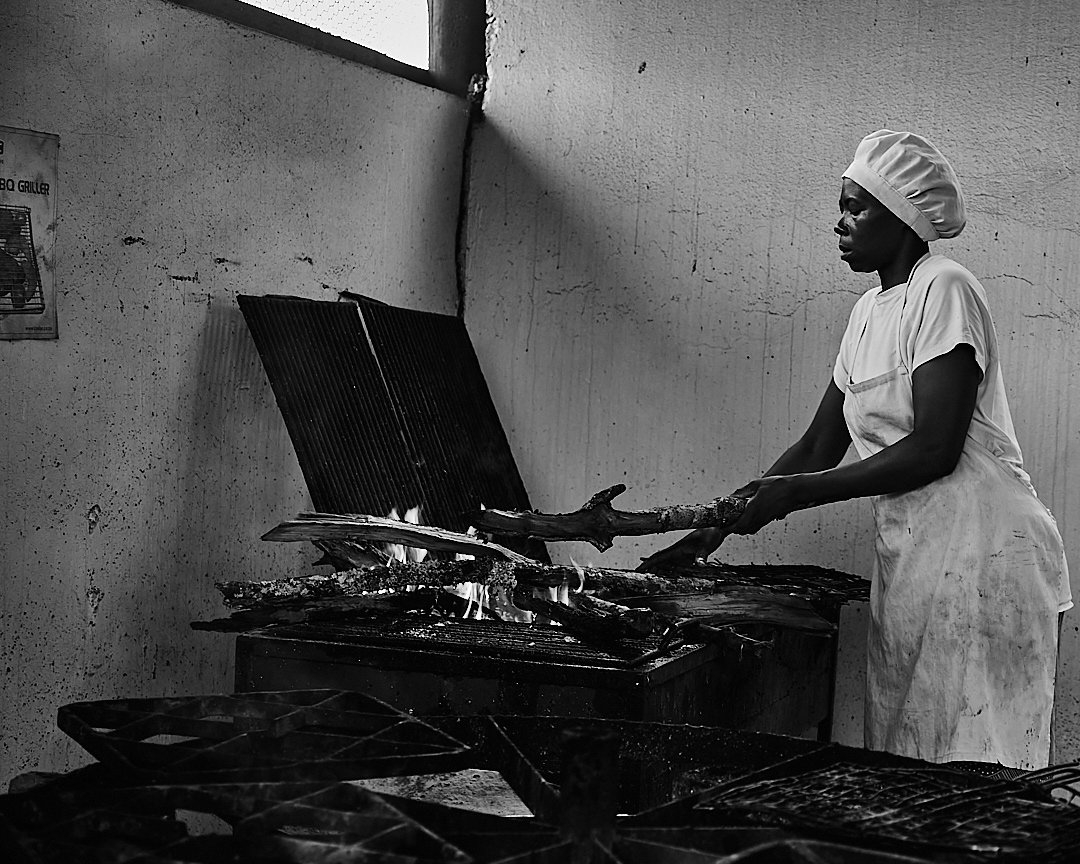
She has been on her feet since before the first customer arrived and will still be here when the last one leaves. The kitchen is loud and hot and relentless and she does not stop.
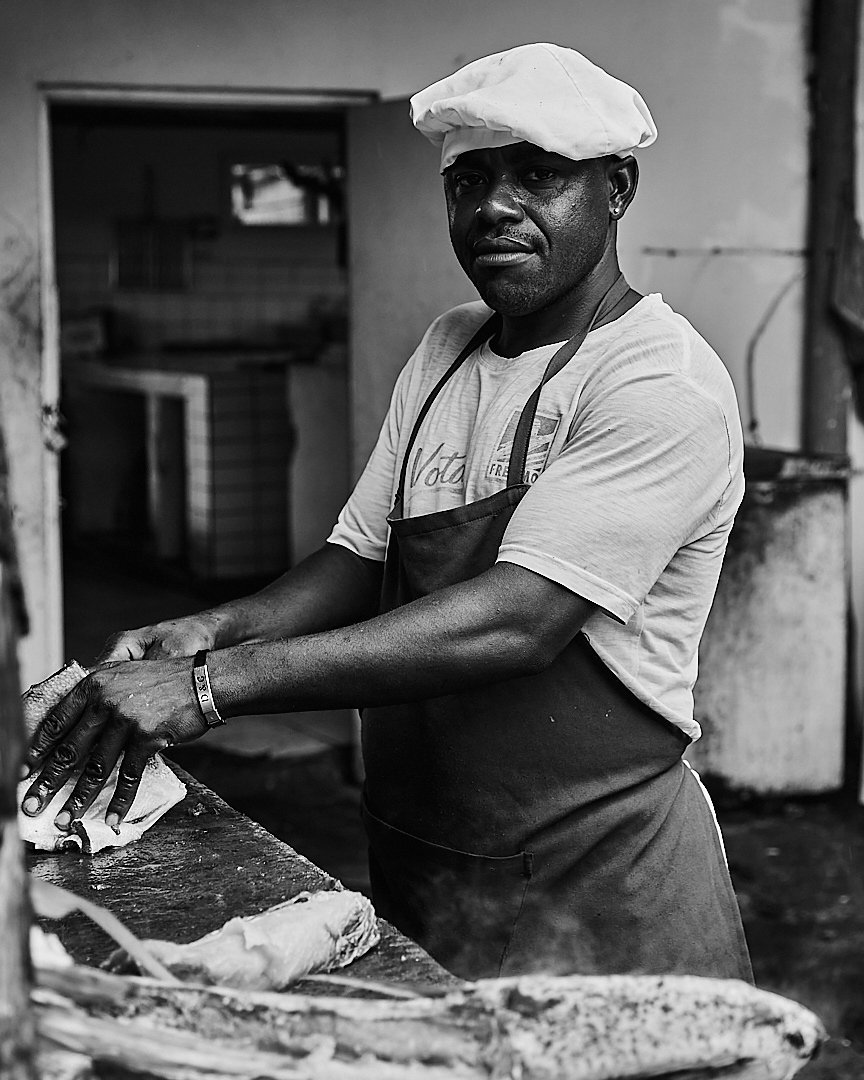
He works through the catch with the speed and precision of someone who has done this ten thousand times. The fish come in from the sea and leave through his hands, cleaned and ready before the morning is gone.
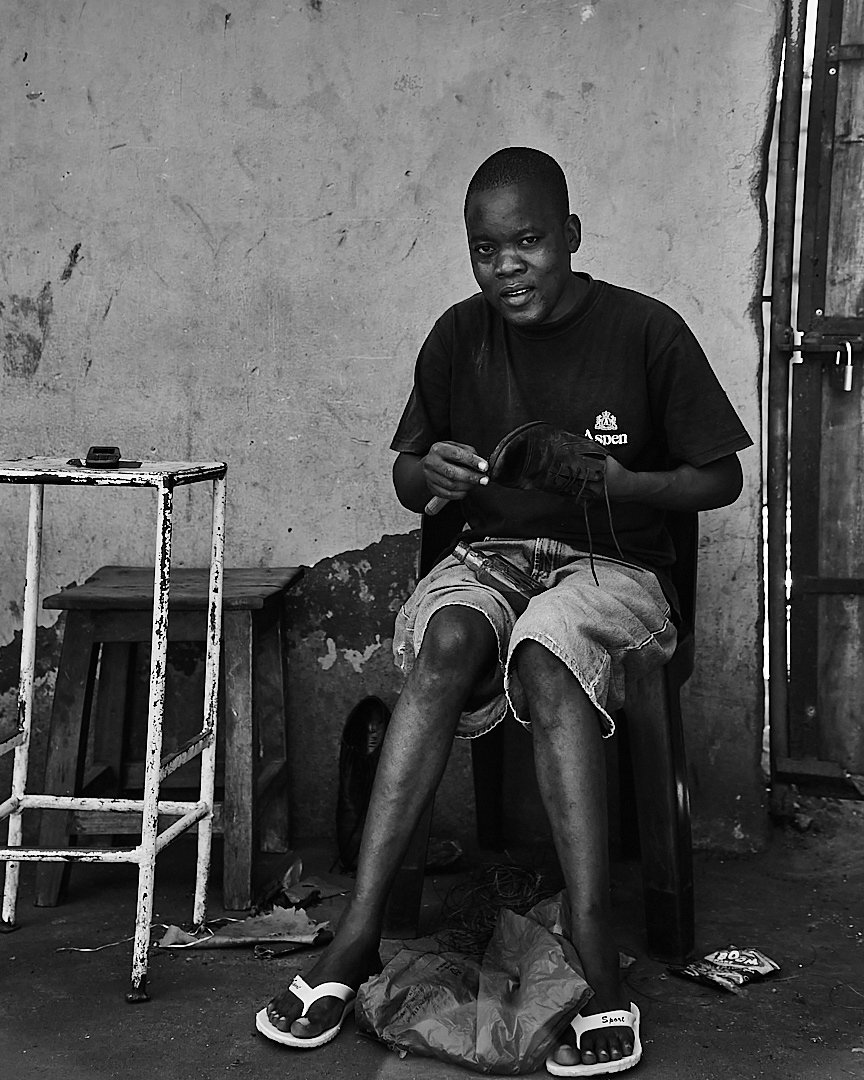
He set up outside where the light is better and the air moves. Shoes pass through his hands all day long, worn down by the island's roads, leaving his bench a little more solid than they arrived.
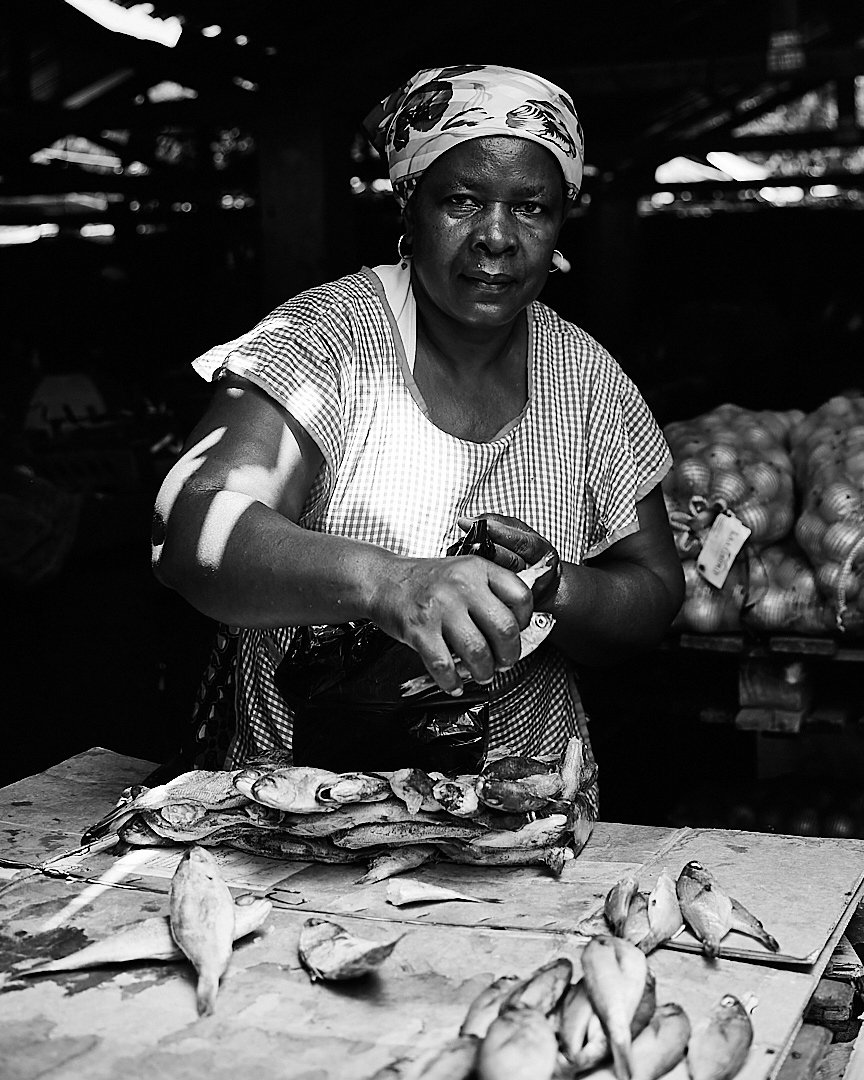
She lays the fish out one by one, arranging them with the care of someone who knows that how things look is part of how they sell. The market is not yet full but she is already ready.
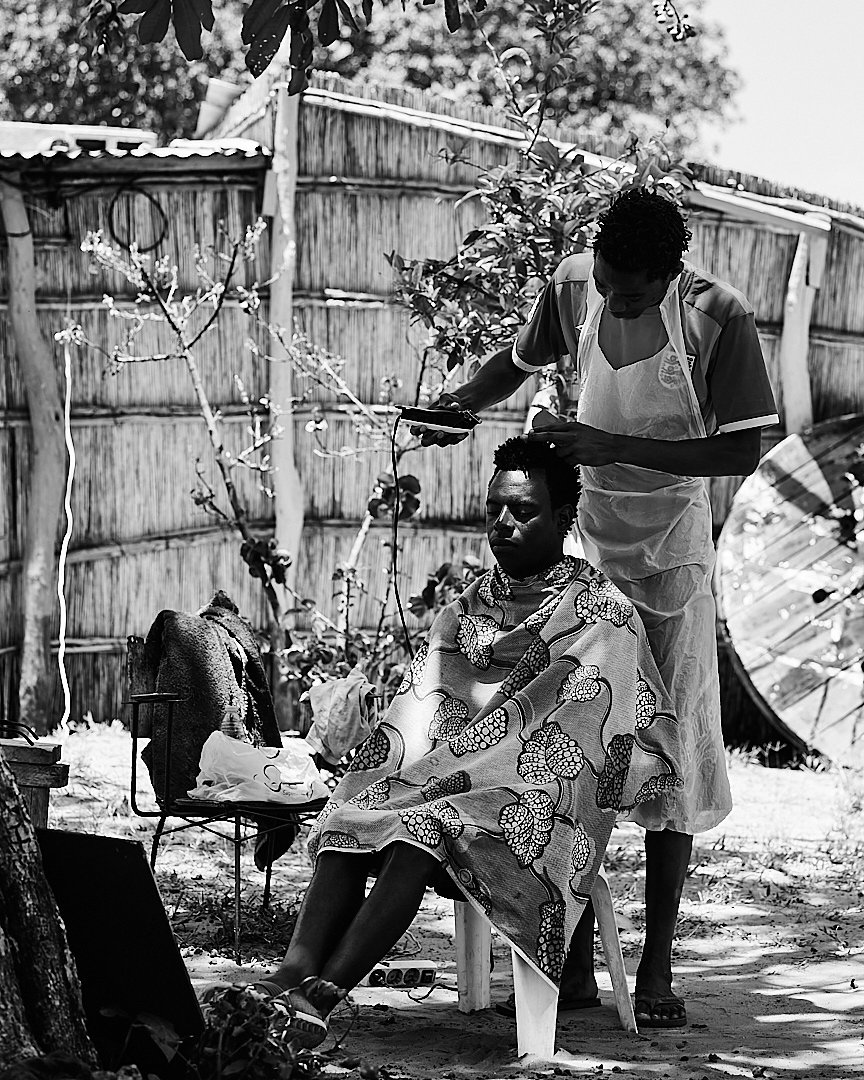
Outside on the street, one man sits and one man works. The apron and the cape are the only formality here. Everything else is open air, a steady hand, and the kind of trust that keeps a man coming back to the same chair.
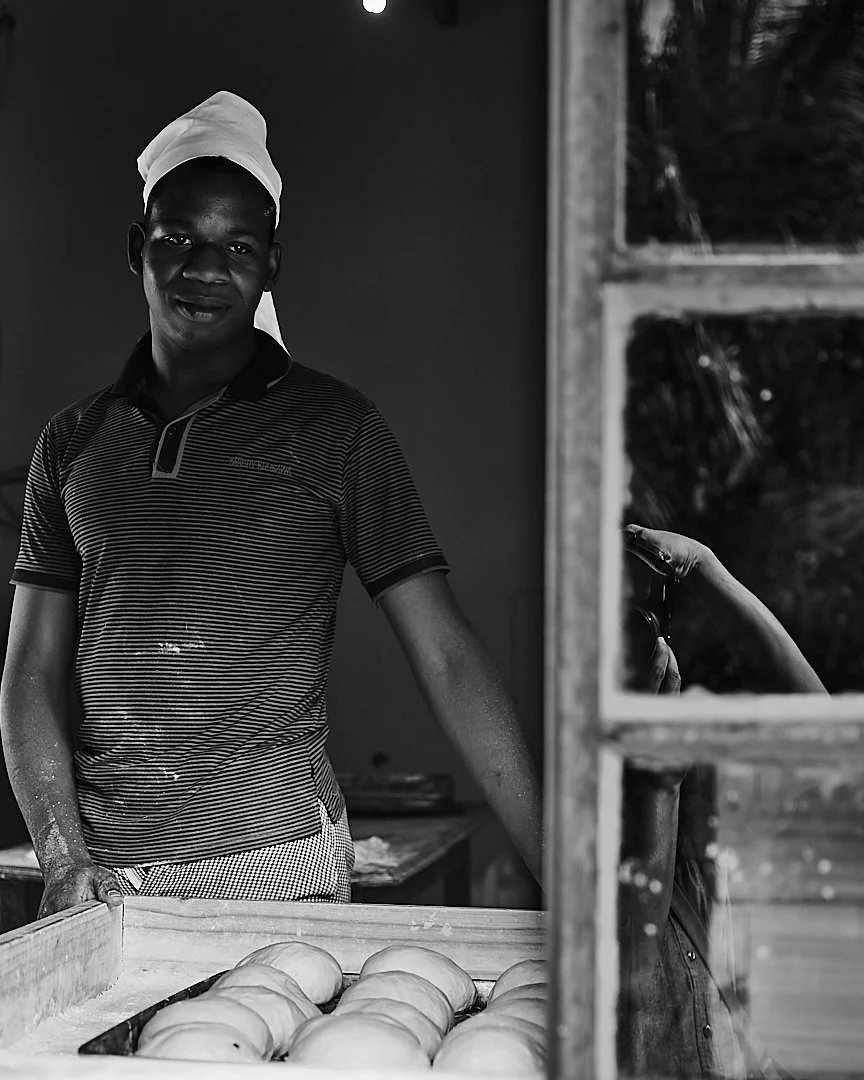
He came to Inhaca to be near family, not for the work itself. The bread sits ready in the foreground, waiting for the oven. He peers out the window at an island that is still becoming home.
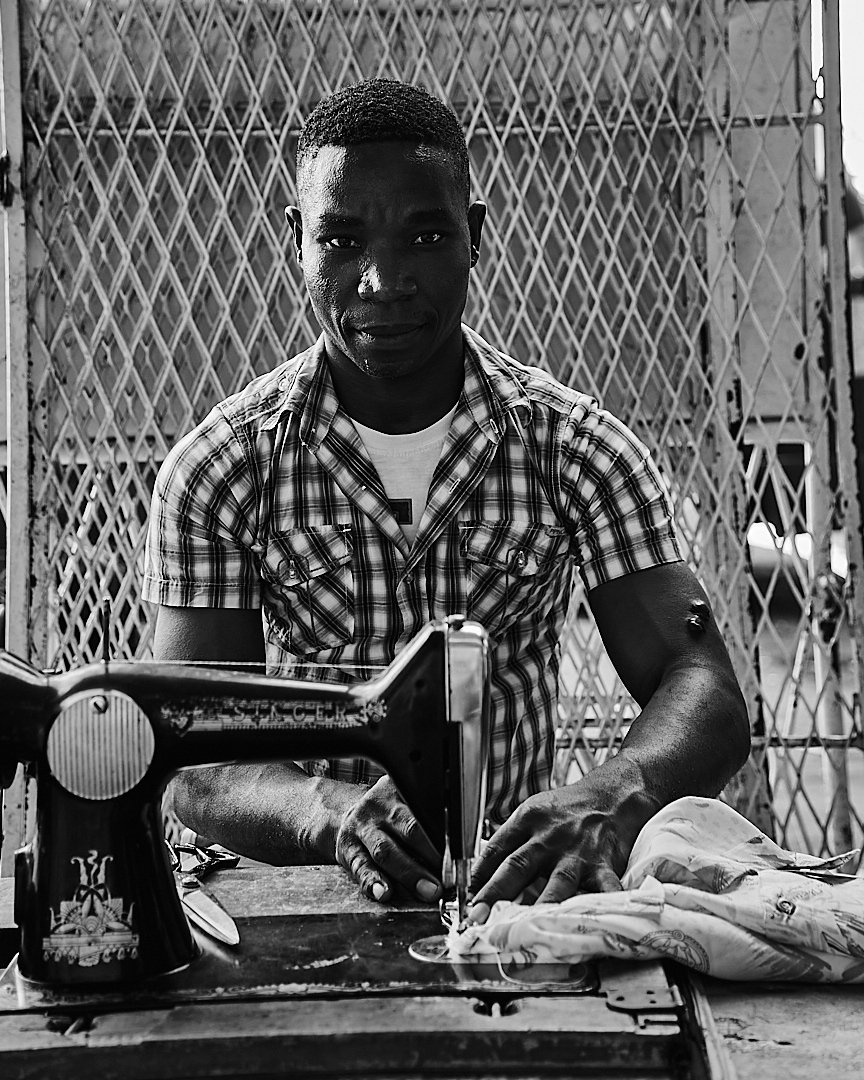
He feeds the fabric through with both hands, eyes down, foot steady on the pedal. The machine does not stop and neither does he.
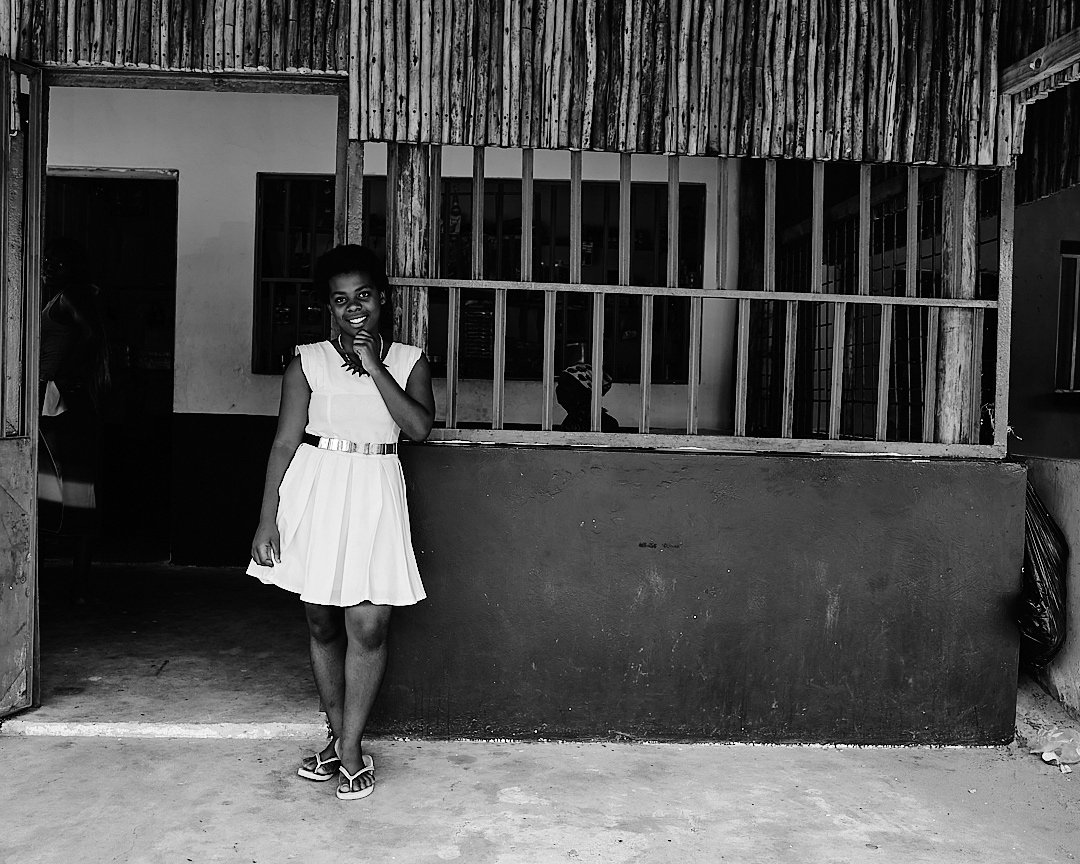
The tables are empty and the day has barely started but she stands at the door of the restaurant with a smile that has nothing to do with how busy it is. She is here and she is ready and that is enough.
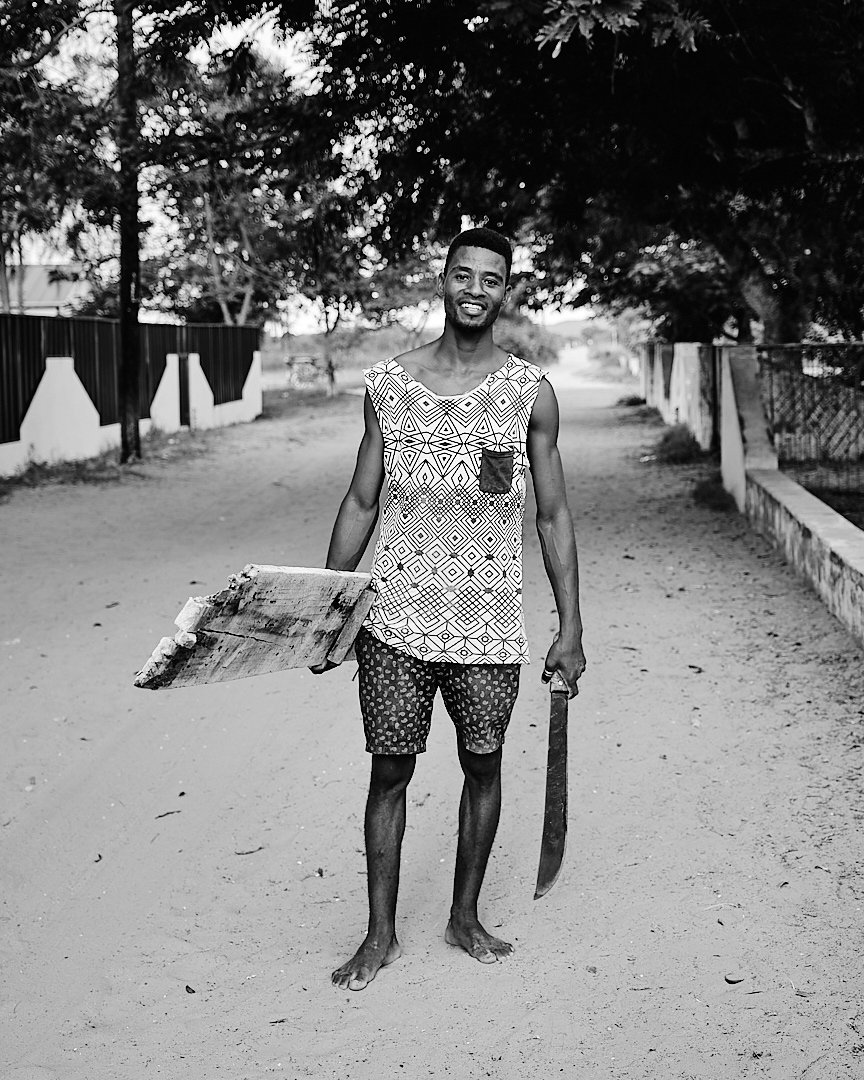
He carries what he needs and nothing more. The wood is for the boat, the machete is for the work, and the boat is for the sea. Everything on Inhaca connects back to the water.

He works through the net slowly and without hurry, fingers finding each tear by feel. A boat without a good net is a day without fish, and a day without fish is a day without much else.
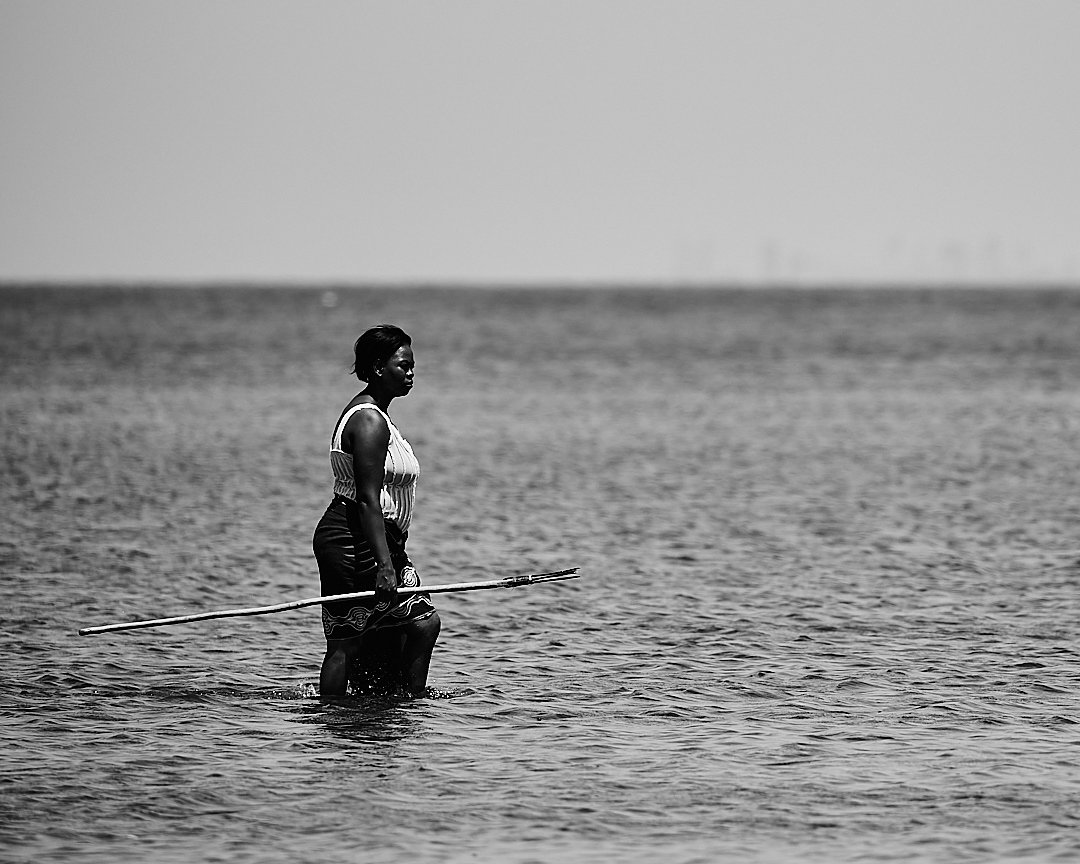
She is out before the tide turns, the water barely reaching her knees, focused on what is below the surface. This is not leisure. This is how her family eats.
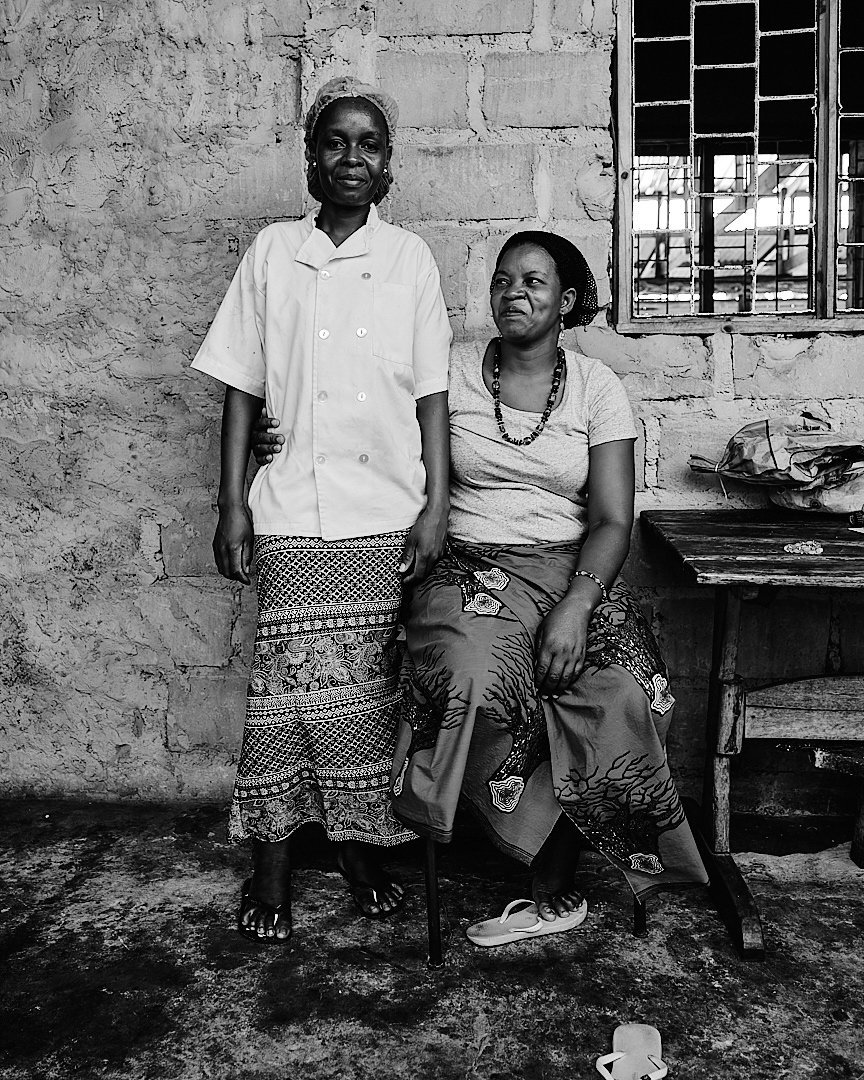
They sit together in the quiet between the rushes, easy in each other's company the way only family can be. No customers means a stolen moment and neither one is in a hurry to give it back.
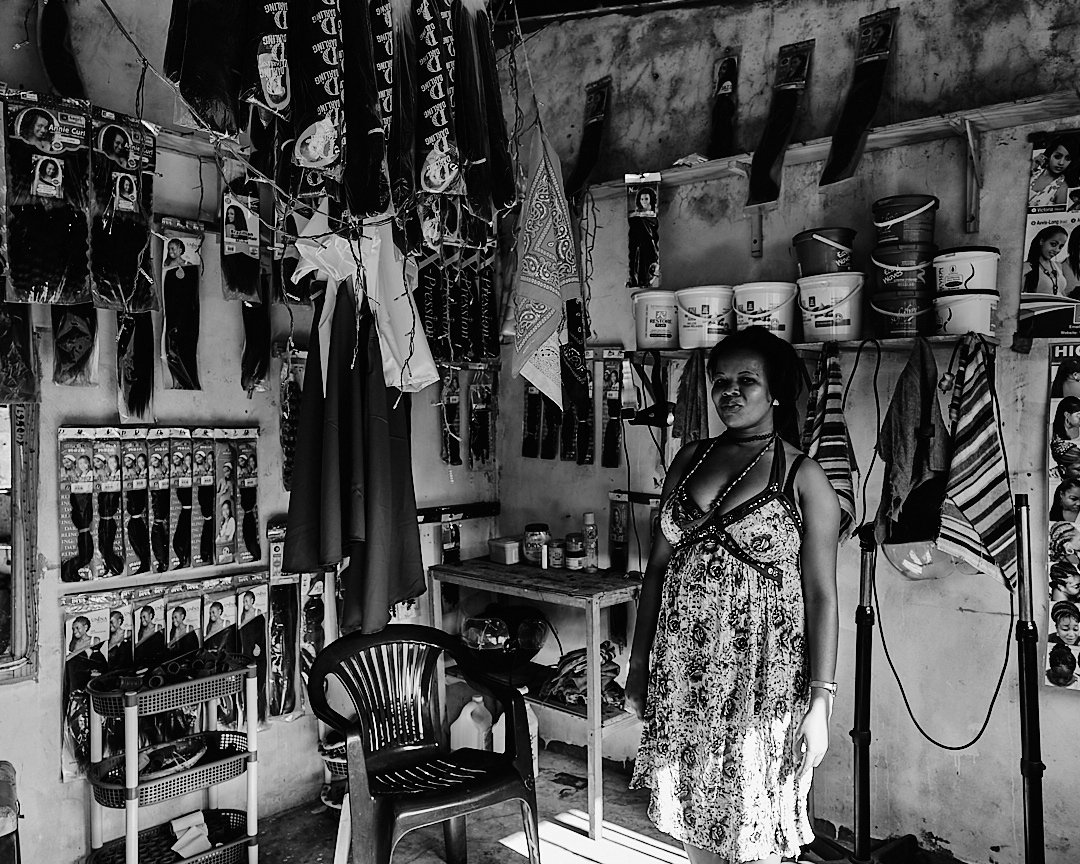
She knows every item in the shop and where it came from. This is her place, built on her terms, and she runs it with the quiet authority of someone who answers to no one but herself.
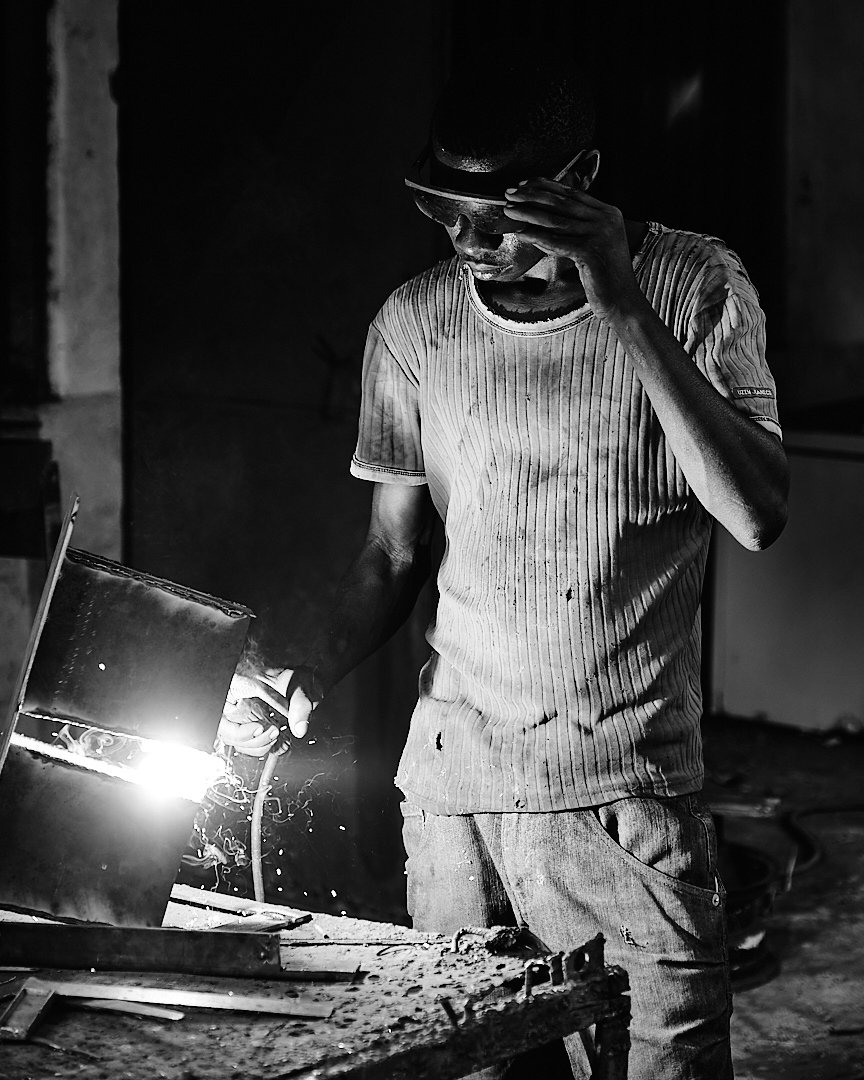
The sparks fly and the light from the torch throws his face into shadow. In a place where everything gets repaired before it gets replaced, his work holds the island together.